Search Website
Close
-
YMCA North Staffordshire
-
What we do
-
Spaces & Services
-
Youth Voice & Influence
Back -
Get Involved
-
YMCA North Staffordshire
-
What we do
-
Spaces & Services
-
Youth Voice & Influence
Back -
Get Involved
Search Website
Close
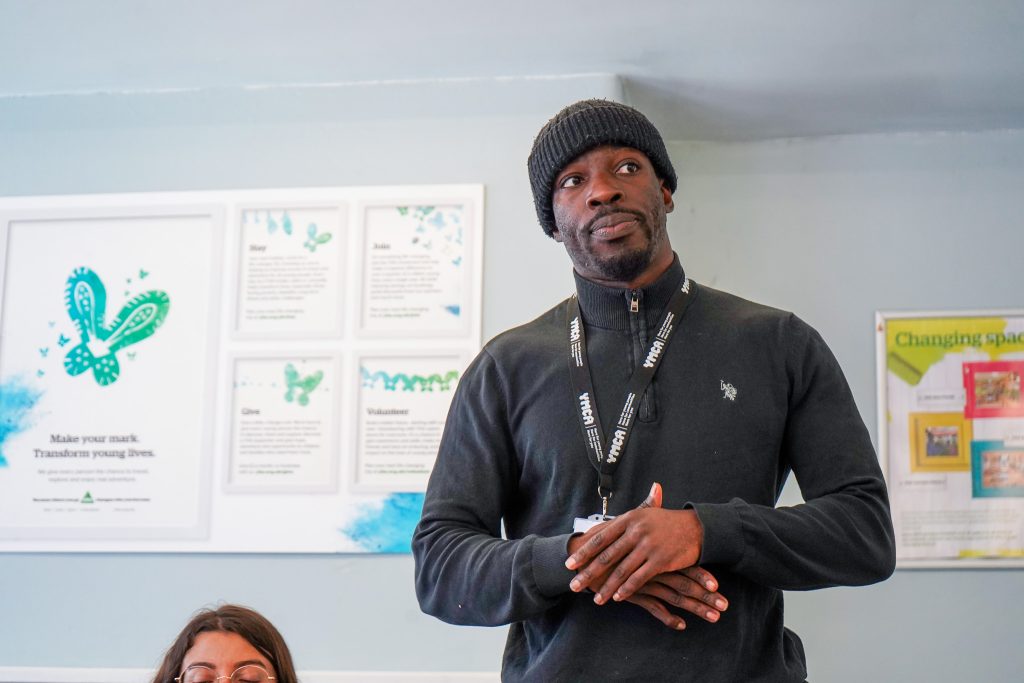
Darren Attoh – Personal Development Coach in the Resettlement Team, YMCA North Staffordshire
Embedding life skills and vocational pathways into mainstream education in Stoke-on-Trent is about making school feel more relevant to real life. For a long time, the education system has focused heavily on academic success GCSEs, A-levels, and university but this doesn’t work for everyone. In a city like Stoke, where the economy has changed a lot over the years, there’s a growing need to make sure young people leave school not just with qualifications, but with the skills and confidence to succeed in the world outside the classroom.
Life skills are a big part of this. These are the everyday abilities people need to manage adult life things like communication, teamwork, problem-solving, and even basic financial knowledge. While schools do touch on these through subjects like PSHE, it can sometimes feel like an add-on rather than something genuinely useful. Making life skills a more natural part of everyday learning could make a big difference. For example, students could learn about budgeting through maths lessons or develop teamwork through group projects that mirror real workplace situations. When learning feels practical, it tends to stick more.
At the same time, vocational pathways offer another way to make education more meaningful. Not every student thrives in a purely academic environment, and that’s okay. Some people learn better by doing through hands-on experiences or by working towards a clear career goal. In Stoke-on-Trent, there are real opportunities in areas like construction, healthcare, and engineering, but students don’t always get early exposure to these paths. By building vocational options into mainstream education through things like work placements, technical courses, or partnerships with local employer’s schools can help students see what’s out there and what might suit them.
What’s interesting is that versions of this approach already exist, but they’re often aimed at students who are struggling in traditional education. Alternative providers tend to combine practical learning with core subjects and life skills, and they can be effective. The challenge is bringing that same energy into mainstream schools, so that all students benefit not just those who are already disengaged.
There are some clear advantages to doing this. For one, it can make school more engaging. When students understand how their learning connects to real life or future careers, they’re more likely to stay motivated. It also helps them feel more prepared for what comes next, whether that’s a job, an apprenticeship, or further study. Just as importantly, it can help break down the idea that there’s only one “right” path to success. Giving equal value to vocational and academic routes can boost confidence and open more opportunities for different types of learners.
Of course, it’s not as simple as just changing the curriculum. Schools need time, funding, and support to build strong links with employers and deliver high-quality vocational experiences. There’s also still a bit of a mindset shift needed academic success is often seen as the gold standard, and vocational routes can sometimes be unfairly overlooked. Changing that perception is just as important as changing what happens in the classroom.
Overall, embedding life skills and vocational pathways into mainstream education in Stoke-on-Trent is about making learning more useful, more inclusive, and more connected to the real world. If done well, it could help young people feel more confident about their futures and better prepared to take their next steps, whatever they may be.